





Enter your VAT number here and click Verify:
Your details have been verified. VAT number registered to:
,
.
Your order will now be zero rated for VAT purposes. We reserve the right to verify these details after your order request has been made and reinstate VAT if required.
Your VAT details were not recognised or were invalid. Your VAT number must be matched to your Billing Country as specified above. This is currently specified as . You do not need to enter the country code part of your VAT number as this has already been selected in your billing address details above.
The VAT number checking service is currently offline. Please supply your VAT details within the comments or special instructions field below and we will apply a VAT discount after placing your order request.
OE Match Porsche Parts
Introducing OE Match, a brand focused on preserving Porsche vehicles by remanufacturing hard to find and no longer serviced OE parts for all Porsche models.
We source and manufacture replacement Porsche parts to the highest standard, and specialise in bringing back to market products that are “no longer available” NLA.
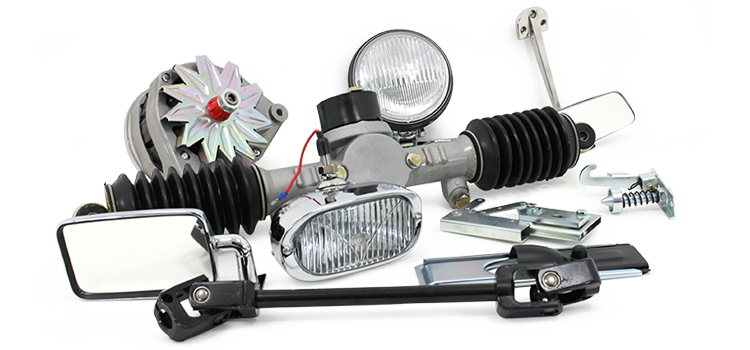
Browse over 6,700 individual part numbers, and 11,800 plus OE cross-referenced products. We catalogue regularly, and are constantly developing new lines.
OE Match is a brand that provides a wide range of Porsche components, from gaskets to suspension hardware, engine parts, and interior trim. Over 6,700 individual part numbers, and over 11,800 OE cross-references catalogued, and are constantly developing new lines.
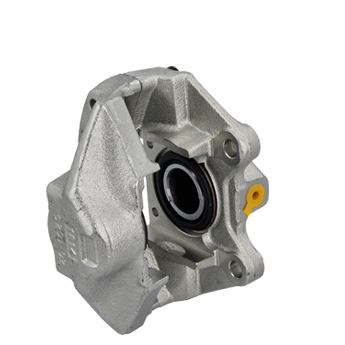
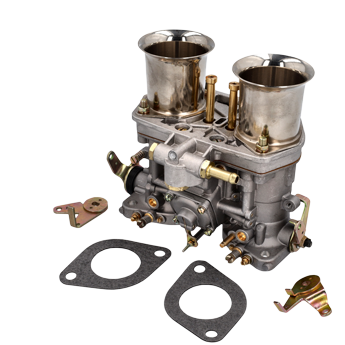
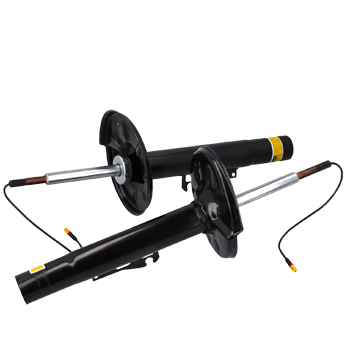
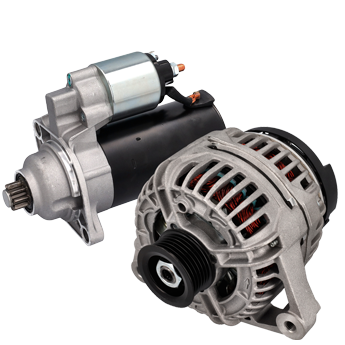
We hand select our featured products based on trending purchases to offer the greatest value to our customers



- Porsche 958 Cayenne V6 3.6L Petrol (300Hp) 2010-17
- Porsche 95B.1 Macan GTS Petrol 3.0L V6 (360Bhp) 2014-18
- Porsche 95B.1 Macan Turbo 3.6L V6 (400Bhp) 2014-18
The Porsche High Pressure Fuel Injector – OE Match (Part Number: 94611012832/1) is a precision-engineered replacement component designed to provide accurate and consistent fuel delivery for selected Porsche Macan and Cayenne petrol engines.
Sold Each.
x6 Required Per Car.
Fits:
- Porsche 958 Cayenne V6 3.6L Petrol (300Hp) 2017
- Porsche 95B.1 Macan GTS Petrol 3.0L V6 (360Bhp) 2014-18
- Porsche 95B.1 Macan Turbo 3.6L V6 (400Bhp) 2014-18
Diagram Ref No 5
Designed to match the fitment and functional requirements of the original Porsche fuel injector, this OE Match alternative offers a cost-effective solution for restoring engine performance, fuel efficiency and reliability without the expense of a Genuine Porsche-branded replacement.
The injector delivers finely atomised fuel directly into the combustion chamber under high pressure, ensuring efficient combustion, smooth engine operation and responsive acceleration.
Ideal for replacing worn, clogged or malfunctioning injectors, this OE Match component helps maintain dependable fuel system operation and consistent engine performance.
What This Product Does:The high-pressure fuel injector is a vital component of the engine's direct fuel injection system. Its primary function is to deliver precisely measured quantities of pressurised fuel into the combustion chamber at the correct moment during the combustion cycle.
Controlled electronically by the engine control unit (ECU), the injector adjusts fuel delivery according to engine speed, load and driving conditions.
A correctly functioning fuel injector helps to:
- Optimise fuel combustion: Deliver a finely atomised fuel spray for efficient ignition and combustion.
- Maintain engine performance: Support smooth acceleration, consistent power delivery and responsive throttle operation.
- Improve fuel efficiency: Ensure accurate fuel metering to minimise unnecessary fuel consumption.
- Reduce exhaust emissions: Promote cleaner and more complete combustion.
- Support smooth engine operation: Maintain stable idling and consistent combustion across all cylinders.
Symptoms Of Wear Or Failure:
High-pressure fuel injectors operate under demanding conditions, including extreme temperatures and high fuel pressures. Over time, internal components may wear, fuel deposits may accumulate or injector seals may deteriorate.
Common symptoms of a faulty fuel injector include:
- Rough or uneven idling: Inconsistent fuel delivery may cause engine vibration, unstable idle speed or irregular running.
- Engine misfires: A blocked or malfunctioning injector may prevent sufficient fuel from reaching the combustion chamber, resulting in incomplete combustion.
- Reduced engine power: Incorrect fuel delivery can cause sluggish acceleration, hesitation or reduced engine responsiveness.
- Increased fuel consumption: A leaking or poorly performing injector may deliver excessive fuel, reducing overall efficiency.
- Difficulty starting the engine: Incorrect fuel pressure or injector leakage may cause extended cranking or unreliable starting.
- Illuminated engine warning light: Injector-related faults may trigger engine management fault codes or misfire warnings.
- Fuel odours or excessive exhaust emissions: A leaking injector may cause an excessively rich fuel mixture, potentially producing noticeable fuel smells, smoke or increased emissions.
- Engine hesitation under acceleration: Poor injector spray patterns or restricted fuel flow may cause intermittent hesitation under load.
Why Replacement Matters:
Replacing a damaged or malfunctioning high-pressure fuel injector is important for preserving engine reliability, fuel efficiency and long-term performance.
A defective injector can disrupt the correct air-fuel mixture, leading to incomplete combustion, reduced power and increased fuel consumption. Continued operation with a faulty injector may also contribute to excessive carbon deposits, catalytic converter damage and potentially serious internal engine problems.
Installing a replacement OE Match high-pressure fuel injector helps to:
- Restore correct fuel delivery: Maintain accurate fuel injection for efficient combustion.
- Improve engine smoothness: Reduce misfires, unstable idling and hesitation caused by defective injectors.
- Recover lost performance: Restore consistent power output and throttle response.
- Maintain fuel economy: Help prevent excessive fuel consumption associated with incorrect injection.
- Protect engine components: Reduce the risk of damage caused by leaking injectors or poor combustion.
- Offer a cost-effective repair: Provide an alternative to a Genuine Porsche-branded component while maintaining the intended fitment and function.
Related reference numbers
Related, superseded, cross reference or alternative numbers for comparison.
94611012832
The product you are viewing cross references to these numbers


- Porsche 991.2 Turbo Coupe 3.8L (540 Bhp) 2016-19
- Porsche 991.2 Turbo S Coupe 3.8L (580 Bhp) 2016-19
- Porsche 991.2 Turbo Cabriolet 3.8L (540 Bhp) 2016-19
- Porsche 991.2 Turbo S Cabriolet 3.8L (580 Bhp) 2016-19
- Porsche 991.2 GT2 RS 3.8L PDK (700 bhp) 2018-19
High Pressure Fuel Injector
Sold each - 6 required per car
This OE Match High Pressure Fuel Injector is a replacement for the original injector fitted to the Porsche 991.2 Turbo, Turbo S and GT2 RS 3.8-litre twin-turbocharged petrol engines.
Fits:
- Porsche 991.2 Turbo Coupe 3.8L (540 Bhp) 2016-19
- Porsche 991.2 Turbo S Coupe 3.8L (580 Bhp) 2016-19
- Porsche 991.2 Turbo Cabriolet 3.8L (540 Bhp) 2016-19
- Porsche 991.2 Turbo S Cabriolet 3.8L (580 Bhp) 2016-19
- Porsche 991.2 GT2 RS 3.8L PDK (700 bhp) 2018-19
Diagram Ref No 5
Designed to deliver precisely controlled quantities of fuel directly into the combustion chamber, it helps maintain efficient combustion, smooth engine operation and consistent power delivery.
An OE Match alternative to the Genuine Porsche injector, it provides a replacement option for restoring correct fuel injection performance.
What Does the High Pressure Fuel Injector Do?
The injector delivers a precisely measured spray of petrol directly into the combustion chamber.
Working with the high-pressure fuel pump and engine management system, it controls fuel delivery during idling, acceleration and high engine loads.
Accurate injection is essential for maintaining engine performance, fuel efficiency and smooth combustion.
Why Do High Pressure Fuel Injectors Fail?
Fuel injectors operate under extreme pressures and temperatures, making them susceptible to wear and contamination.
Common causes include:
- Carbon deposits restricting injector nozzles.
- Contaminated petrol damaging internal components.
- Wear of injector valves and sealing surfaces.
- Electrical faults affecting injector operation.
- Prolonged exposure to high temperatures and engine vibration.
A failing injector can cause uneven fuel delivery, rough running, engine misfires and reduced performance.
When Should the Injector Be Replaced?
Replacement is recommended when an injector is diagnosed as faulty, leaking or unable to deliver the correct fuel quantity.
Common warning signs include:
- Rough idling or engine misfires.
- Hesitation or loss of power during acceleration.
- Increased fuel consumption.
- Difficult starting.
- Engine management warning light.
- Fuel mixture or cylinder misfire fault codes.
- Irregular engine operation under load.
A defective injector can cause incorrect combustion and potentially damage the engine or catalytic converter if left unresolved.
Checks and Diagnosis
Before replacing the injector, check for stored engine fault codes, inspect fuel rail pressure and identify any cylinder-specific misfires.
Injector electrical connections, fuel delivery and leakage should also be checked to confirm the fault.
High-pressure fuel systems require specialist installation procedures. Associated seals and mounting components should be replaced where specified by Porsche.
Key Features
- OE Match replacement high-pressure fuel injector.
- Suitable for 3.8L twin-turbocharged DFI engines.
- Provides precise fuel delivery into the combustion chamber.
- Supports efficient combustion and engine performance.
- Helps restore smooth idling and throttle response.
- Replacement alternative to the Genuine Porsche injector.
- Six injectors required for a complete engine set.
Product Category Description – Porsche 991.2 Turbo & GT2 RS Fuel Injectors
OE Match high-pressure fuel injectors provide a replacement solution for the direct fuel injection systems fitted to Porsche 991.2 Turbo, Turbo S and GT2 RS engines.
These precision components deliver accurately measured fuel quantities directly into the combustion chambers, supporting efficient combustion, consistent power delivery and smooth engine operation.
Faulty or contaminated injectors can cause misfires, poor acceleration, increased fuel consumption and reduced engine performance.
Related reference numbers
Related, superseded, cross reference or alternative numbers for comparison.
9A111022231
The product you are viewing cross references to these numbers


- Porsche Boxster 981 Spyder 3.8L 2016
- Porsche Cayman GT4 3.8L 2015-16
Complete centre radiator and coolant pipe replacement kit for Porsche 981 Boxster Spyder and 981 Cayman GT4 models. This kit combines an OE Match centre coolant radiator with Genuine Porsche coolant pipes, providing the key components required to renew the centre section of the engine cooling system.
Complete 7-piece kit – sold as one set.
Fits:
Porsche 981 Boxster Spyder 2016
Porsche 981 Cayman GT4 2016
Diagram ref no 1, 4, 5, 6 and 7
This kit includes the centre-mounted engine coolant radiator together with the associated Genuine Porsche coolant pipes used within the 981 Spyder and GT4 cooling system.
The centre radiator helps remove heat from the engine coolant, while the connecting pipes carry coolant through the cooling circuit between the radiator and the rest of the cooling system.
Ideal for cooling system repair, front-end restoration or replacement of leaking, damaged or corroded cooling components.
What this kit does
- Replaces the centre engine coolant radiator
- Includes associated Genuine Porsche coolant pipes
- Helps restore correct coolant circulation
- Supports stable engine operating temperatures
- Helps maintain efficient cooling system heat transfer
- Suitable for cooling system repair or overhaul
- Ideal for replacing leaking, damaged or corroded components
- Combines an OE Match radiator with Genuine Porsche pipework
Why Replace the Radiator and Pipes?
Radiators and coolant pipes are exposed to repeated heat cycles, system pressure, road debris and corrosion. Over time, the radiator core or pipework can become damaged or begin to leak.
Common reasons for replacement include:
- Coolant leakage
- Damaged or corroded coolant pipes
- Radiator core damage
- Reduced cooling efficiency
- Higher than normal coolant temperatures
- Front-end accident damage
- Cooling system refurbishment
Replacing the centre radiator and associated pipework together helps restore the integrity of the cooling circuit and reliable coolant flow.
Where it fits on the car
Fits within the centre front engine cooling system, connecting the centre radiator to the vehicle coolant circuit.
Related reference numbers
Related, superseded, cross reference or alternative numbers for comparison.
RADANDPIPEKIT981SP-GT4.OEM
The product you are viewing cross references to these numbers
This kit is comprised of the following items:



- Porsche Boxster Spyder / Spyder RS 718 4.0L 01/2019>>
- Porsche 991.2 GT3 4.0L (500 Bhp) / GT3 RS 4.0L (520 Bhp) 2017-19
- Porsche Cayman GT4 718 4.0L / GT4 RS 718 4.0L
Complete centre radiator and coolant pipe replacement kit for Porsche 991.2 GT3, 982 Boxster Spyder and 982 Cayman GT4. This kit combines an OE Match centre coolant radiator with Genuine Porsche coolant pipes, providing the key components required to renew the centre section of the engine cooling system. Ideal for cooling system repair, refurbishment or replacement of leaking, damaged or corroded cooling components.
Complete 7-piece kit – sold as one set.
Fits:
Porsche 991.2 GT3 4.0L / GT3 RS 4.0L 2017 - 2019
Porsche 982 Boxster Spyder 2019>>
Porsche 982 Cayman GT4 2019>>
Diagram ref no 1, 4, 5, 6 and 7
This kit contains the centre-mounted engine coolant radiator together with the associated Genuine Porsche coolant pipes used within the cooling system.
The centre radiator helps remove heat from the engine coolant, while the connecting pipes carry coolant through the cooling circuit between the radiator and the rest of the engine cooling system.
What this kit does
- Replaces the centre engine coolant radiator
- Includes associated Genuine Porsche coolant pipes
- Helps restore correct coolant circulation
- Supports stable engine operating temperatures
- Helps maintain efficient cooling system heat transfer
- Suitable for cooling system repair or overhaul
- Ideal for replacing leaking, damaged or corroded components
- Combines an OE Match radiator with Genuine Porsche pipework
Why Replace the Radiator and Pipes?
Radiators and coolant pipes are exposed to repeated heat cycles, system pressure, road debris and corrosion. Over time, the radiator core or pipework can become damaged or develop leaks.
Common reasons for replacement include:
- Coolant leakage
- Damaged or corroded coolant pipes
- Radiator core damage
- Reduced cooling efficiency
- Higher than normal coolant temperatures
- Front-end accident damage
- Cooling system refurbishment
Replacing the centre radiator and associated pipes together helps restore the integrity of the cooling circuit and reliable coolant flow.
Where it fits on the car
Fits within the centre front engine cooling system, connecting the centre radiator to the vehicle coolant circuit.
Related reference numbers
Related, superseded, cross reference or alternative numbers for comparison.
RADANDPIPEKIT991GT3.2.OEM
The product you are viewing cross references to these numbers
This kit is comprised of the following items:


- Porsche 991.1 GT3 3.8L (475 Bhp) 2014-16
- Porsche 991.1 GT3 RS 4.0L (500 Bhp) 2015-16
Complete centre radiator and coolant pipe replacement kit for Porsche 991.1 GT3 3.8L and GT3 RS 4.0L models. This kit combines an OE Match centre radiator with Genuine Porsche coolant pipes, providing the key components required to renew the centre section of the engine cooling system. Ideal for cooling system repair, front-end restoration or replacement of leaking, corroded or damaged cooling components.
Complete 7-piece kit – sold as one set.
Fits:
Porsche 991.1 GT3 3.8L 2014 - 2016
Porsche 991.1 GT3 RS 4.0L 2015 - 2016
Diagram ref no 1, 4, 5, 6 and 7
This kit contains the centre-mounted coolant radiator together with the associated Genuine Porsche coolant pipes used within the GT3 / GT3 RS cooling system.
The radiator removes heat from the engine coolant, while the connecting pipes carry coolant through the cooling circuit between the radiator and the rest of the engine cooling system.
What this kit does
- Replaces the centre engine coolant radiator
- Includes associated
- Genuine Porsche coolant pipes
- Helps restore correct coolant circulation
- Supports stable engine operating temperatures
- Helps maintain efficient heat transfer
- Suitable for cooling system repair or overhaul
- Ideal for replacing leaking, damaged or corroded components
- Combines an OE Match radiator with Genuine Porsche pipework
Why Replace the Radiator and Pipes?
Cooling system components are exposed to repeated heat cycles, road debris, corrosion and system pressure. Over time, the radiator core or coolant pipes may develop leaks, damage or restricted flow.
Common reasons for replacement include:
- Coolant leakage
- Damaged or corroded coolant pipes
- Radiator core damage
- Reduced cooling efficiency
- Higher than normal coolant temperatures
- Front-end accident damage
- Cooling system refurbishment
Replacing the radiator and associated pipework together helps restore the integrity and performance of the centre cooling circuit.
Where it fits on the car
Fits within the centre front engine cooling system, connecting the centre radiator to the vehicle coolant circuit.
Related reference numbers
Related, superseded, cross reference or alternative numbers for comparison.
RADANDPIPEKIT991GT3.1.OEM
The product you are viewing cross references to these numbers
This kit is comprised of the following items:


- Porsche 991.1 Turbo 3.8L (520 Bhp) 2014-16
- Porsche 991.1 Turbo S 3.8L (560 Bhp) 2014-16
- Porsche 991.2 Turbo Coupe 3.8L (540 Bhp) 2016-19
- Porsche 991.2 Turbo S Coupe 3.8L (580 Bhp) 2016-19
- Porsche 991.2 Turbo Cabriolet 3.8L (540 Bhp) 2016-19
- Porsche 991.2 Turbo S Cabriolet 3.8L (580 Bhp) 2016-19
Complete radiator and coolant pipe replacement kit for Porsche 991.1 and 991.2 Turbo / Turbo S 3.8L models. The kit combines an OE Match centre radiator with Genuine Porsche coolant pipes, providing the main components required to renew the centre cooling circuit.
Complete 7-piece kit – sold as one set.
Fits:
Porsche 991.1 Turbo / Turbo S 3.8L 2014 - 2016
Porsche 991.2 Turbo / Turbo S 3.8L 2016 - 2019
Diagram ref no 1, 4, 5, 6 and 7
This kit contains the centre-mounted engine coolant radiator together with the associated Genuine Porsche coolant pipes required for the applicable Turbo cooling system.
The centre radiator works alongside the vehicle’s other radiators to remove heat from the engine coolant, while the connecting pipes carry coolant through the system between the radiator and engine cooling circuit.
Ideal for cooling system repair, accident damage replacement or preventative refurbishment where the radiator or associated pipework has become damaged, corroded or is leaking.
What this kit does
- Replaces the centre engine coolant radiator
- Includes associated Genuine Porsche coolant pipes
- Helps restore correct coolant circulation
- Supports stable engine operating temperatures
- Helps maintain efficient heat transfer through the cooling system
- Suitable for replacing leaking, damaged or corroded cooling components
- Convenient complete cooling system repair package
- Combines OE Match radiator quality with Genuine Porsche pipework
Why Replace the Radiator and Pipes?
Radiators and coolant pipes are exposed to heat cycles, road debris, corrosion and cooling system pressure. Over time, the radiator core or connecting pipework may develop leaks or damage.
Common reasons for replacement include:
- Coolant leakage
- Damaged or corroded pipes
- Radiator core damage
- Higher than normal coolant temperatures
- Front-end accident damage
- Cooling system refurbishment
- Age-related deterioration of coolant components
Replacing the radiator and associated pipes together helps restore the integrity of the centre cooling circuit.
Where it fits on the car
The components fit within the centre front engine cooling system, connecting the centre radiator into the vehicle’s coolant circuit.
Related reference numbers
Related, superseded, cross reference or alternative numbers for comparison.
RADANDPIPEKIT991T.OEM
The product you are viewing cross references to these numbers
This kit is comprised of the following items:


- Porsche Boxster 981 2.7L 2012-16
- Porsche Boxster 981 S / GTS 3.4L 2012-16
- Porsche Boxster 718 2.0L Manual (300 Bhp) 2017>>
- Porsche Boxster 718 2.0L PDK (300 Bhp) 2017>>
- Porsche Boxster S 718 2.5L Manual (350 Bhp) 05/2017>>
- Porsche Boxster S 718 2.5L PDK (350 Bhp) 05/2017>>
- Porsche 991.1 Carrera C2 3.4L (350 Bhp) 2012-16
- Porsche 991.1 Carrera C2S / GTS 3.8L (400/430 Bhp) 2012-16
- Porsche 991.1 Carrera C4 3.4L (350 Bhp) 2012-16
- Porsche 991.1 Carrera C4S / GTS 3.8L (400/430 Bhp) 2012-16
- Porsche 991.1 Turbo 3.8L (520 Bhp) 2014-16
- Porsche 991.1 Turbo S 3.8L (560 Bhp) 2014-16
- Porsche 991.1 R 4.0L (500 Bhp) 2016
- Porsche 991.1 GT3 3.8L (475 Bhp) 2014-16
- Porsche 991.1 GT3 RS 4.0L (500 Bhp) 2015-16
- Porsche 991.2 Carrera 2 3.0L (370 Bhp) 2016-19
- Porsche 991.2 Carrera 2S / GTS 3.0L (420/450 Bhp) 2016-19
- Porsche 991.2 Carrera 4 3.0L (370 Bhp) 2016-19
- Porsche 991.2 Carrera 4S / GTS 3.0L (420/450 Bhp) 2016-19
- Porsche 991.2 Cabriolet 2 3.0L (370 Bhp) 2016-19
- Porsche 991.2 Cabriolet 2S / GTS 3.0L (420/450 Bhp) 2016-19
- Porsche 991.2 Cabriolet 4 3.0L (370 Bhp) 2016-19
- Porsche 991.2 Cabriolet 4S / GTS 3.0L (420/450 Bhp) 2016-19
- Porsche 991.2 Targa 4 3.0L (370 Bhp) 2016-19
- Porsche 991.2 Targa 4S / GTS 3.0L (420/450 Bhp) 2016-19
- Porsche 991.2 Turbo Coupe 3.8L (540 Bhp) 2016-19
- Porsche 991.2 Turbo S Coupe 3.8L (580 Bhp) 2016-19
- Porsche 991.2 Turbo Cabriolet 3.8L (540 Bhp) 2016-19
- Porsche 991.2 Turbo S Cabriolet 3.8L (580 Bhp) 2016-19
- Porsche 991.2 GT3 4.0L (500 Bhp) / GT3 RS 4.0L (520 Bhp) 2017-19
- Porsche 991.2 GT2 RS 3.8L PDK (700 bhp) 2018-19
- Porsche Cayman 2.7L 981 2013-16
- Porsche Cayman S / GTS 3.4L 981 2013-16
- Porsche Cayman GT4 3.8L 2015-16
- Porsche Cayman 718 2.0L Manual (300 Bhp)
- Porsche Cayman 718 2.0L PDK (300 Bhp)
- Porsche Cayman S 718 2.5L Manual (350 Bhp)
- Porsche Cayman S 718 2.5L PDK (350 Bhp)
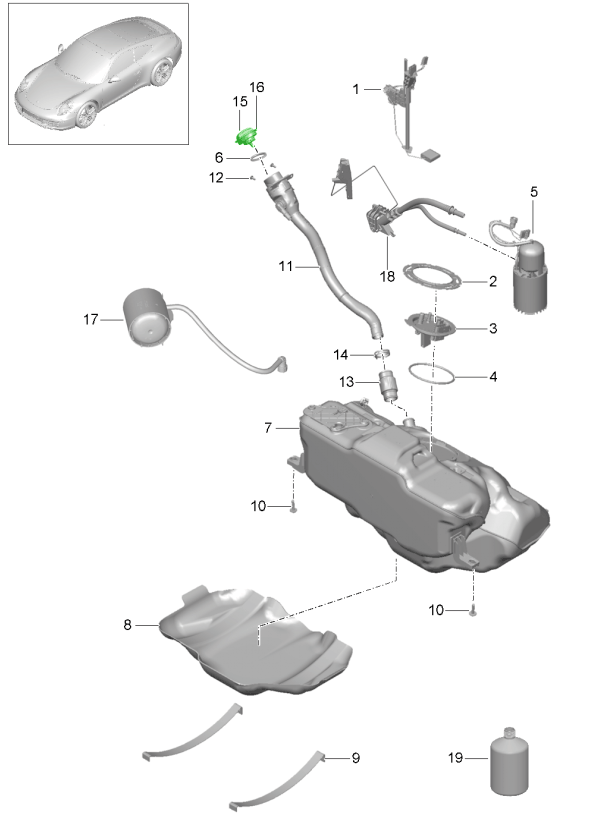
OE Match fuel tank cap with retaining strap for Porsche 981 Boxster / Cayman, 991 Carrera / Turbo / GT3 and 718 Boxster / Cayman models. This replacement fuel filler cap seals the fuel tank filler neck while the attached retaining strap helps keep the cap secured to the vehicle during refuelling.
Fits:
Porsche 981 Boxster / Boxster S 2013 - 2016
Porsche 981C Cayman / Cayman S 2014 - 2016
Porsche 991.1 (911) Carrera / Turbo / GT3 2012 - 2016
Porsche 991.2 (911) Carrera / Turbo / GT3 2017 - 2019
Porsche 718 Boxster (982) 2017>>
Porsche 718 Cayman (982) 2017>>
Diagram ref no 15
This is a replacement fuel tank filler cap complete with retaining strap. It fits to the fuel filler neck and provides the sealing closure required to help prevent fuel vapour escaping and contamination entering the tank.
The integrated retaining strap keeps the cap attached to the vehicle when removed for refuelling, reducing the chance of the cap being dropped or misplaced.
- Seals the fuel tank filler neck
- Helps prevent fuel vapour escaping
- Helps prevent dirt, water and debris entering the fuel tank
- Includes retaining strap
- Keeps the fuel cap attached during refuelling
- Replaces lost, damaged or deteriorated fuel filler caps
- Suitable for routine fuel system maintenance
- Fuel cap is missing
- Retaining strap is broken
- Cap no longer seals correctly
- Seal is damaged or deteriorated
- Cap is cracked or physically damaged
- Fuel filler area is being restored or serviced
Related reference numbers
Related, superseded, cross reference or alternative numbers for comparison.
99120124101
The product you are viewing cross references to these numbers


- Porsche Boxster 981 S / GTS 3.4L 2012-16
- Porsche 991.1 Turbo 3.8L (520 Bhp) 2014-16
- Porsche 991.1 Turbo S 3.8L (560 Bhp) 2014-16
- Porsche 991.1 GT3 3.8L (475 Bhp) 2014-16
- Porsche 991.1 GT3 RS 4.0L (500 Bhp) 2015-16
- Porsche 991.2 Turbo Coupe 3.8L (540 Bhp) 2016-19
- Porsche 991.2 Turbo S Coupe 3.8L (580 Bhp) 2016-19
- Porsche 991.2 Turbo Cabriolet 3.8L (540 Bhp) 2016-19
- Porsche 991.2 Turbo S Cabriolet 3.8L (580 Bhp) 2016-19
- Porsche 991.2 GT3 4.0L (500 Bhp) / GT3 RS 4.0L (520 Bhp) 2017-19
- Porsche Cayman GT4 3.8L 2015-16
OE Match centre water / coolant radiator for selected Porsche 991 Turbo, GT3, GT3 RS and GT2 RS models, as well as 981 Boxster Spyder and Cayman GT4 applications. This replacement centre radiator forms part of the engine cooling system, helping dissipate heat from the coolant and maintain stable engine operating temperatures.
Fits:
Porsche 991.1 Turbo / Turbo S 3.8L 2014 - 2016
Porsche 991.1 GT3 RS 4.0L 2015 - 2016
Porsche 991.2 Turbo / Turbo S 3.8L 2016 - 2019
Porsche 991.2 GT3 4.0L / GT3 RS 4.0L 2017-19
Porsche 981 Boxster Spyder 3.8L 2016
Porsche 981 Cayman 981 GT4 3.8L 2015-16
Diagram ref no 1
This is the centre-mounted coolant radiator used within the multi-radiator cooling system fitted to selected high-performance Porsche models. It works alongside the other cooling components to remove heat from the engine coolant as air passes through the radiator core.
Designed as an OE Match replacement for applications using part numbers 99110613802 or 99110613801.
What this part does
- Replaces the centre engine coolant radiator
- Helps remove heat from the engine coolant
- Supports stable engine operating temperatures
- Works as part of the vehicle’s multi-radiator cooling system
- Helps maintain efficient coolant circulation and heat exchange
- Suitable for replacing leaking, damaged or blocked radiators
- Suitable for cooling system repair or restoration
- Supplied as an OE Match replacement part.
- Coolant leakage
- Higher than normal coolant temperatures
- Reduced cooling system efficiency
- Overheating under demanding driving conditions
- Visible damage to the radiator core
- Coolant residue around the radiator
- Radiator is leaking
- Core is damaged or corroded
- Cooling efficiency has reduced
- Coolant temperature is running higher than normal
- Radiator fins are heavily damaged or blocked
- Cooling system overhaul is being carried out
- Front-end accident repair is required.
Related reference numbers
Related, superseded, cross reference or alternative numbers for comparison.
99110613802
The product you are viewing cross references to these numbers


- Porsche Boxster 986 2.5L 1997-99
- Porsche Boxster 986 2.7L 1999-02
- Porsche Boxster S 986 3.2L 1999-02
- Porsche Boxster 986 2.7L 2003-04
- Porsche Boxster S 986 3.2L 2003-04
- Porsche Boxster 987 2.7L 2005-08/08
- Porsche Boxster 987 S 3.2/3.4L 2005-08/08
- Porsche Boxster 987 MKII 2.9L 2009-12
- Porsche Boxster S 987 MKII 3.4L 2009-12
OE Match plastic replacement end for the cabriolet roof push rod on Porsche 986 and 987 Boxster models. This is the plastic end that commonly breaks away, not a complete metal push rod.
Fits
- Porsche Boxster 986 2.5L 1997–99
- Porsche Boxster 986 2.7L 1999–02
- Porsche Boxster S 986 3.2L 1999–02
- Porsche Boxster 986 2.7L 2003–04
- Porsche Boxster S 986 3.2L 2003–04
- Porsche Boxster 987 2.7L 2005-08/08
- Porsche Boxster 987 S 3.2/3.4L 2005-08/08
- Porsche Boxster 987 MKII 2.9L 2009–12
- Porsche Boxster S 987 MKII 3.4L 2009–12
Suitable for push rod assemblies 98756127900, 98756127901, 98756127902, 98756127903 and 98656127902. Check fitment for your specific vehicle (model, year, engine) before ordering.
Diagram: fits onto part number 4
What This Product Does
The plastic end provides the push rod connection within the folding-roof linkage. Replacing a fractured end repairs this connection without treating the component as a complete rod assembly. The remaining rod and adjoining mechanism should be inspected to establish whether an end-only repair is appropriate.
Functions
- Replaces the breakaway plastic portion of the roof push rod.
- Reconnects the rod to its associated roof linkage.
- Allows an end-only repair where the remaining assembly is serviceable.
Technical Details
- Brand: OE Match.
- Component material: plastic.
- Compatible push rod references: 98756127900, 98756127901, 98756127902, 98756127903 and 98656127902.
Symptoms of Fault
A visibly fractured or detached plastic end is a direct reason for inspection. Uneven roof travel, interrupted movement or abnormal linkage noise can also warrant checking this connection, but these symptoms do not establish that the end alone is faulty.
Why Replacement Matters
A broken end leaves the affected push rod disconnected from its linkage. Renewing the damaged plastic component addresses that connection, provided the rod and surrounding mechanism remain suitable for reuse. Investigate the cause of breakage before operating the roof again rather than assuming a new end resolves every underlying fault.
FAQs
Is this the complete push rod?
No. It is the replacement plastic end only.
Related reference numbers
Related, superseded, cross reference or alternative numbers for comparison.
98756127902
The product you are viewing cross references to these numbers


- Porsche 964 (911) C2 1989-93
- Porsche 964 (911) C4 1989-93
- Porsche 964 (911) TURBO 3.3L 1991-93
- Porsche 964 (911) TURBO 3.6L 1991-93
This is a used part which has been fitted and removed shortly after off the vehicle due to not meeting expectations of the customer. This part is in good working order. Ideal for restoration specialists, collectors, or workshops looking for components at reduced cost.
Condition:
This Front Shock Absorber is a briefly used part. It has some fitting imperfections but in good / reusable working order.
Please see the gallery of images before purchasing.
Fits:
- Porsche 964 (911) C2 1989-93
- Porsche 964 (911) C4 1989-93
- Porsche 964 (911) TURBO 3.3L 1991-93
- Porsche 964 (911) TURBO 3.6L 1991-93
Related reference numbers
Related, superseded, cross reference or alternative numbers for comparison.
96534304
The product you are viewing cross references to these numbers


- Porsche 958 Cayenne S V6 3.0L Hybrid (380Hp) 2010-17
- Porsche 970.1 Panamera S Hybrid V6 3.0L 2011-13
- Porsche 970.2 Panamera S E-Hybrid V6 3.0L (416Hp) 2014-16
The OE MATCH Timing Chain Kit is a replacement engine timing system solution intended for Porsche Cayenne 958 and Panamera 970 models equipped with the 3.0L V6 Hybrid petrol engine, subject to confirmation of the kit's exact components and vehicle compatibility.
Fits:
- Porsche 958 Cayenne S V6 3.0L Hybrid (380Hp) 2010-17
- Porsche 970.1 Panamera S Hybrid V6 3.0L 2011-13
- Porsche 970.2 Panamera S E-Hybrid V6 3.0L (416Hp) 2014-16
Kit Includes:
- 1 x Chain Top Left
- 1 x Chain Top Right
- 1 x Chain Center
- 1 x Chain Lower
- 1 x Tensioner Top Left
- 1 x Tensioner Top Right
- 1 x Tensioner Center
- 1 x Tensioner Lower
- 1 x Guide Rail Center Top
- 1 x Guide Rail Center Left
- 2 x Guide Rail Left & Right
Designed to restore the correct operation of the engine's timing system, the kit provides a solution for replacing worn or deteriorated timing drive components during engine repairs, preventative maintenance or major engine overhauls.
The timing chain system is responsible for maintaining precise synchronisation between the crankshaft and camshafts, ensuring that the engine's intake and exhaust valves operate at the correct points in the combustion cycle.
Timing components operate continuously while the engine is running and are exposed to repeated mechanical loading, engine heat and vibration. Over time, timing chains can develop wear and elongation, while associated tensioners and guide rails may deteriorate.
A properly specified replacement timing chain kit helps restore accurate engine timing, reduce excessive chain movement and maintain smooth, reliable engine operation.
Ideal for Porsche owners undertaking timing system repairs or comprehensive engine maintenance, this kit offers a practical solution for addressing deterioration within the engine's timing drive assembly.
What This Product Does:
The timing chain kit supports the mechanical synchronisation of the engine's crankshaft and camshafts, ensuring that the valves open and close at the correct times in relation to piston movement.
Its key functions include:
- Engine Timing Synchronisation: Maintains the correct mechanical relationship between the crankshaft and camshafts.
- Accurate Valve Timing: Helps ensure the intake and exhaust valves operate at the intended points in the engine cycle.
- Timing Chain Tension: Associated tensioners maintain appropriate chain tension and reduce excessive slack.
- Timing Chain Guidance: Guide rails support correct chain routing and help control unwanted movement.
- Smooth Engine Operation: Accurate timing contributes to stable idling, consistent combustion and predictable engine performance.
- Reduced Timing System Noise: Properly functioning chains, guides and tensioners help minimise excessive rattling and vibration.
- Engine Performance Support: Correct valve timing contributes to efficient combustion, power delivery and engine responsiveness.
- Component Protection: Maintaining correct chain alignment and tension helps reduce unnecessary wear on associated timing components.
- Long-Term Reliability: Renewing worn timing components helps reduce the risk of unexpected timing system failure.
Symptoms Of Wear Or Failure:
Over time, timing chains, tensioners, guide rails and associated components can deteriorate through normal use, insufficient lubrication, mechanical fatigue or ageing.
Common signs include:
- Rattling Noise During Cold Starts: A metallic rattling sound when starting the engine may indicate excessive chain slack, tensioner problems or guide wear.
- Persistent Timing Chain Noise: Rattling, slapping or grinding noises from the timing drive area may indicate worn or damaged components.
- Rough Engine Idling: Incorrect valve timing may contribute to uneven engine operation or unstable idling.
- Engine Misfires: Timing irregularities can affect combustion and contribute to misfiring.
- Reduced Engine Performance: An elongated or incorrectly tensioned timing chain may affect valve timing and reduce engine responsiveness.
- Engine Management Warning Light: Timing-related faults may trigger the check engine light and store diagnostic trouble codes.
- Camshaft and Crankshaft Correlation Faults: Diagnostic codes indicating incorrect synchronisation may suggest problems within the timing drive system.
- Difficulty Starting: Significant timing irregularities can contribute to extended cranking or starting difficulties.
- Excessive Timing Chain Slack: A worn chain or failing tensioner may allow abnormal movement within the timing drive assembly.
- Damaged Timing Chain Guides: Cracked, broken or worn guide rails can affect chain positioning and increase mechanical noise.
- Deteriorated Tensioner Operation: A faulty hydraulic or mechanical tensioner may no longer maintain the correct chain tension.
- Plastic Debris in Engine Oil: Fragments from deteriorating chain guides may appear in the oil or filter.
- Engine Timing Failure: Severe deterioration may cause the timing chain to jump teeth or fail, potentially resulting in serious internal engine damage.
Why Replacement Matters:
- Replacing worn or damaged timing chain components is essential for maintaining accurate engine operation and protecting the long-term reliability of your Porsche's 3.0L V6 Hybrid engine.
- The timing chain system plays a critical role in coordinating crankshaft and camshaft movement. Even relatively small timing deviations can affect valve operation, combustion efficiency and overall engine performance.
- As timing chains wear, elongation can develop within the chain assembly. This may lead to excessive movement, abnormal noise and increased stress on the tensioners and guide rails.
- If a chain tensioner becomes weak or a guide rail deteriorates, the timing chain may no longer remain correctly positioned. Continued operation under these conditions can increase the risk of the chain skipping or jumping teeth.
- A timing chain failure can have serious consequences. If the crankshaft and camshafts lose synchronisation, internal engine components may be damaged, potentially resulting in expensive repairs.
- Replacing deteriorated timing components helps restore correct mechanical synchronisation, appropriate chain tension and reliable valve timing.
- Where inspection identifies wear across multiple components, replacing the affected chains, tensioners and guide rails together can be more practical than carrying out repeated repairs to individual components.
- For Porsche Cayenne and Panamera Hybrid owners, maintaining the timing system is especially important as part of responsible engine servicing and long-term vehicle preservation.
- A correctly specified OE MATCH Timing Chain Kit can provide an effective replacement solution, helping restore engine timing accuracy, reduce abnormal mechanical noise and minimise the risk of major timing-related engine damage.
Related reference numbers
Related, superseded, cross reference or alternative numbers for comparison.
958109465C
The product you are viewing cross references to these numbers


- Porsche Boxster 986 2.5L 1997-99
- Porsche Boxster 986 2.7L 1999-02
- Porsche Boxster S 986 3.2L 1999-02
- Porsche Boxster 986 2.7L 2003-04
- Porsche Boxster S 986 3.2L 2003-04
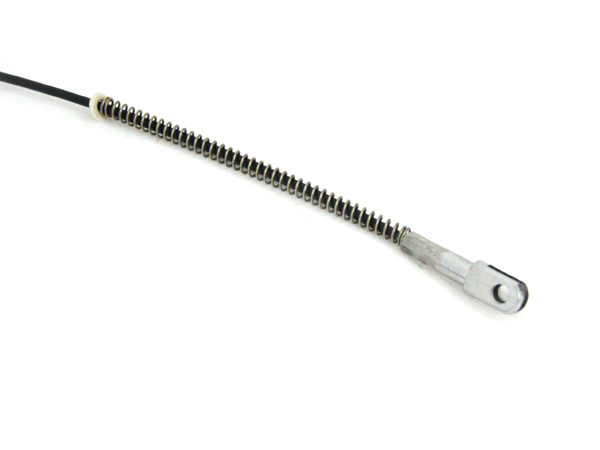
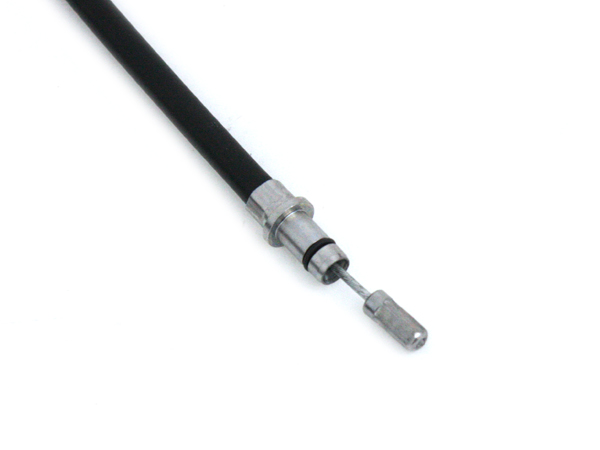
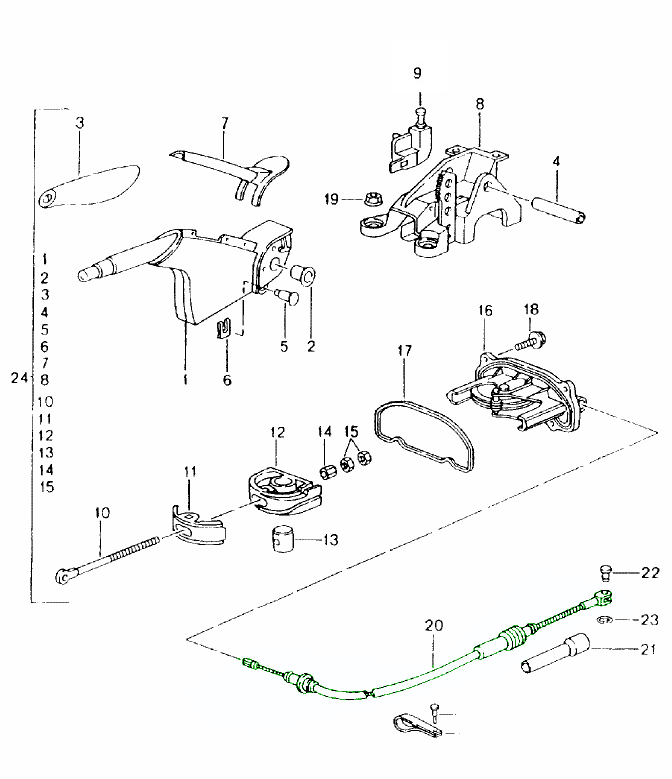
Replacement handbrake cable set for Porsche 986 Boxster models from 1997 to 2004. Supplied as a pair of two cables, this kit allows both sides of the mechanical parking brake system to be renewed together, helping restore smooth and reliable handbrake operation.
SET OF 2
Porsche 986 Boxster 1997 - 2004
The handbrake cables connect the handbrake mechanism to the rear parking brake assemblies. Pulling the handbrake lever tensions the cables, mechanically applying the parking brake at the rear wheels.
- Replaces both handbrake cables
- Complete set of 2 cables
- Covers left and right sides
- Transfers movement from the handbrake mechanism to the rear parking brakes
- Helps restore correct handbrake operation
- Helps maintain even parking brake application
- Replaces stretched, seized or damaged cables
- Suitable for parking brake repair or overhaul.
- Excessive handbrake lever travel
- Parking brake does not hold securely
- Handbrake operation feels stiff
- One rear brake applies differently from the other
- Cable is corroded, damaged or seized
- Parking brake adjustment cannot be achieved correctly.
Related reference numbers
Related, superseded, cross reference or alternative numbers for comparison.
98642414104
The product you are viewing cross references to these numbers
This kit is comprised of the following items: